Buy message.uk ?
We are moving the project
message.uk .
Are you interested in purchasing the domain
message.uk ?
domain@kv-gmbh.de · 0541-91531010
Buy message.uk ?
Would infinitive?
Yes, infinitives are a form of a verb that is not conjugated to show tense, person, or number. They are often used after certain verbs like "to be," "to want," or "to need." Infinitives can also be used as nouns, adjectives, or adverbs in a sentence. **
What is an infinitive clause? What is an infinitive?
An infinitive clause is a group of words that includes an infinitive and its associated words, such as objects or modifiers. An infinitive is the base form of a verb, typically preceded by the word "to" (e.g. to run, to eat, to study). Infinitive clauses can function as nouns, adjectives, or adverbs within a sentence, and they are often used to express purpose, intention, or result. **

Similar search terms for Infinitive
Top-Angebote
Products related to Infinitive:
-
Garmin Bounce 2 43mm Kids Smart Watch GPS LTE Calling Messaging AMOLED 4GB 5 ATM - TurquoiseThe Garmin Bounce 2 is a feature packed kids smart watch designed to help children stay connected while giving parents useful safety and location features. With LTE connectivity, children can make calls, send text and voice messages and communicate with approved contacts without needing to carry a smartphone. An LTE subscription plan is required for cellular communication and related connected features. Real time GPS location tracking through the Garmin Jr. app allows parents to check their child's whereabouts. The watch also includes LiveTrack location sharing, location boundaries, assistance features and emergency contacts, providing additional peace of mind when children are at school, travelling or enjoying outdoor activities. The bright 1.2 inch AMOLED colour touchscreen provides a clear and vibrant display with a 390 x 390 pixel resolution. The touchscreen interface is designed to make everyday features easy to access, while the built in speaker and microphone support calls and voice messaging. The Bounce 2 includes activity and fitness tracking features such as steps, distance, sleep, running, walking, cycling and swimming. Built in GPS can track supported outdoor activities, while school mode, chores, rewards, games and task timers provide additional child focused features. With 4GB of internal storage, Wi-Fi, Bluetooth and NFC connectivity, the Garmin Bounce 2 offers a wide range of smart features in a compact design. Its 5 ATM water rating and rechargeable battery with up to 2 days of battery life make it suitable for everyday use, school activities and outdoor adventures.203,99 £*Shipping: 0,00 £Secure redirect to the provider



-
What is the difference between "arreter de + Infinitive" and "s'arreter + Infinitive"?
The difference between "arreter de + Infinitive" and "s'arreter + Infinitive" lies in the subject of the action. "Arreter de + Infinitive" means to stop doing something, where the subject is external and stops someone or something from doing an action. On the other hand, "s'arreter + Infinitive" means to stop oneself from doing something, where the subject is internal and refers to someone stopping their own action. **
-
What is the infinitive?
The infinitive is the base form of a verb, typically preceded by the word "to" (e.g., to run, to eat). It is the most basic form of the verb and is used in various ways in English grammar, such as to express purpose, obligation, or future actions. The infinitive can also be used without the word "to" in certain constructions, known as bare infinitives (e.g., I must go, let him eat). **
-
What form is the infinitive?
The infinitive is the base form of a verb, typically preceded by the word "to" (e.g. to run, to eat). It is used to express purpose, intention, or potential actions. In English, infinitives can function as nouns, adjectives, or adverbs within a sentence. **
-
What is the perfect infinitive?
The perfect infinitive is a verb form that is used to show an action that was completed before the main verb in the sentence. It is formed by using 'to have' followed by the past participle of the main verb. For example, in the sentence "She seems to have finished her homework," 'to have finished' is the perfect infinitive. This form is commonly used to indicate actions that happened in the past relative to the main verb. **
What is an infinitive example?
An infinitive example is a verb form that is typically preceded by the word "to" (e.g. to run, to eat, to sleep). It is the base form of the verb and is used in a variety of ways in English grammar, such as to express purpose, intention, or obligation. Infinitive examples can also be used as subjects, objects, or complements in a sentence. **
Is it in the infinitive?
No, the sentence does not contain an infinitive. **
Top-Angebote
Products related to Infinitive:
-
Garmin Bounce 2 43mm Kids Smart Watch GPS LTE Calling Messaging AMOLED 4GB 5 ATM - TurquoiseThe Garmin Bounce 2 is a feature packed kids smart watch designed to help children stay connected while giving parents useful safety and location features. With LTE connectivity, children can make calls, send text and voice messages and communicate with approved contacts without needing to carry a smartphone. An LTE subscription plan is required for cellular communication and related connected features. Real time GPS location tracking through the Garmin Jr. app allows parents to check their child's whereabouts. The watch also includes LiveTrack location sharing, location boundaries, assistance features and emergency contacts, providing additional peace of mind when children are at school, travelling or enjoying outdoor activities. The bright 1.2 inch AMOLED colour touchscreen provides a clear and vibrant display with a 390 x 390 pixel resolution. The touchscreen interface is designed to make everyday features easy to access, while the built in speaker and microphone support calls and voice messaging. The Bounce 2 includes activity and fitness tracking features such as steps, distance, sleep, running, walking, cycling and swimming. Built in GPS can track supported outdoor activities, while school mode, chores, rewards, games and task timers provide additional child focused features. With 4GB of internal storage, Wi-Fi, Bluetooth and NFC connectivity, the Garmin Bounce 2 offers a wide range of smart features in a compact design. Its 5 ATM water rating and rechargeable battery with up to 2 days of battery life make it suitable for everyday use, school activities and outdoor adventures.203,99 £*Shipping: 0,00 £Secure redirect to the provider
-
Would infinitive?
Yes, infinitives are a form of a verb that is not conjugated to show tense, person, or number. They are often used after certain verbs like "to be," "to want," or "to need." Infinitives can also be used as nouns, adjectives, or adverbs in a sentence. **
-
What is an infinitive clause? What is an infinitive?
An infinitive clause is a group of words that includes an infinitive and its associated words, such as objects or modifiers. An infinitive is the base form of a verb, typically preceded by the word "to" (e.g. to run, to eat, to study). Infinitive clauses can function as nouns, adjectives, or adverbs within a sentence, and they are often used to express purpose, intention, or result. **
-
What is the difference between "arreter de + Infinitive" and "s'arreter + Infinitive"?
The difference between "arreter de + Infinitive" and "s'arreter + Infinitive" lies in the subject of the action. "Arreter de + Infinitive" means to stop doing something, where the subject is external and stops someone or something from doing an action. On the other hand, "s'arreter + Infinitive" means to stop oneself from doing something, where the subject is internal and refers to someone stopping their own action. **
-
What is the infinitive?
The infinitive is the base form of a verb, typically preceded by the word "to" (e.g., to run, to eat). It is the most basic form of the verb and is used in various ways in English grammar, such as to express purpose, obligation, or future actions. The infinitive can also be used without the word "to" in certain constructions, known as bare infinitives (e.g., I must go, let him eat). **
Similar search terms for Infinitive
-
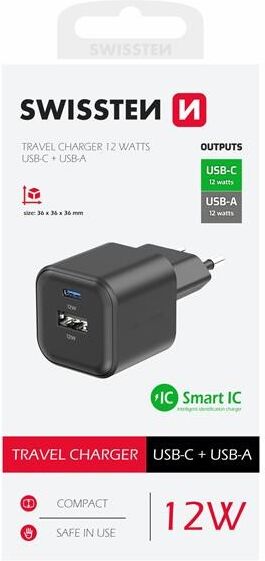
SWISSTEN 22071510 Charger Device, mobile communicationPlug Type: Schuko; Connectors/Plugs: USB type-C, USB; Charge Mode: GaN, PD; Overcharging protection: Yes; Overheating protection: Yes; Short Circuit Protection: Yes; Colour: black; Number of inlets/outlets: 2; Power [W]: 128,29 £*Shipping: 8,45 £Secure redirect to the provider
-
What form is the infinitive?
The infinitive is the base form of a verb, typically preceded by the word "to" (e.g. to run, to eat). It is used to express purpose, intention, or potential actions. In English, infinitives can function as nouns, adjectives, or adverbs within a sentence. **
-
What is the perfect infinitive?
The perfect infinitive is a verb form that is used to show an action that was completed before the main verb in the sentence. It is formed by using 'to have' followed by the past participle of the main verb. For example, in the sentence "She seems to have finished her homework," 'to have finished' is the perfect infinitive. This form is commonly used to indicate actions that happened in the past relative to the main verb. **
-
What is an infinitive example?
An infinitive example is a verb form that is typically preceded by the word "to" (e.g. to run, to eat, to sleep). It is the base form of the verb and is used in a variety of ways in English grammar, such as to express purpose, intention, or obligation. Infinitive examples can also be used as subjects, objects, or complements in a sentence. **
-
Is it in the infinitive?
No, the sentence does not contain an infinitive. **
* All prices are inclusive of VAT and, if applicable, plus shipping costs. The offer information is based on the details provided by the respective shop and is updated through automated processes. Real-time updates do not occur, so deviations can occur in individual cases. ** Note: Parts of this content were created by AI.