Buy message.uk ?
We are moving the project
message.uk .
Are you interested in purchasing the domain
message.uk ?
domain@kv-gmbh.de · 0541-91531010
Buy message.uk ?
Which material absorbs heat without storing heat?
A material that absorbs heat without storing it is one that has a high thermal conductivity and low heat capacity. This means that it can quickly absorb heat and transfer it away without retaining much of the heat energy. Examples of such materials include metals like aluminum and copper, as well as certain types of ceramics and carbon-based materials. These materials are often used in applications where rapid heat absorption and dissipation are required, such as in heat sinks for electronic devices or in cooking utensils. **
What is heat conduction and heat convection?
Heat conduction is the transfer of heat through a material or between materials that are in direct contact with each other. It occurs through the vibration and collision of atoms and molecules, leading to the transfer of thermal energy. On the other hand, heat convection is the transfer of heat through the movement of fluids, such as air or water. This occurs as warmer, less dense fluid rises and cooler, denser fluid sinks, creating a continuous circulation of heat transfer. Both heat conduction and heat convection are important mechanisms for the transfer of heat in various natural and engineered systems. **


Similar search terms for Heat
Top-Angebote
Products related to Heat:
-
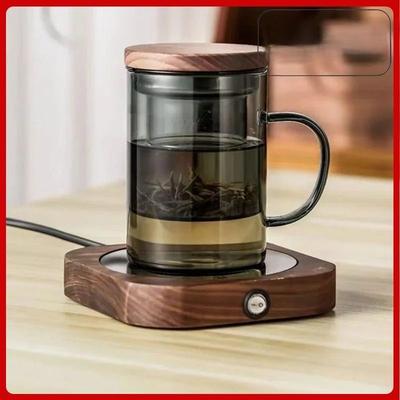
Uplift Essentials Heat Resistant Glass Filter Tea Cup Heat Resistant Glass Filter Tea CupExperience the perfect brew with this highquality teadrinking companion designed for both elegance and practicality. Crafted from premium high borosilicate glass, this cup is built to withstand high temperatures while maintaining a sleek, smoky gray...68,97 $*Shipping: 0,00 $Secure redirect to the provider
-
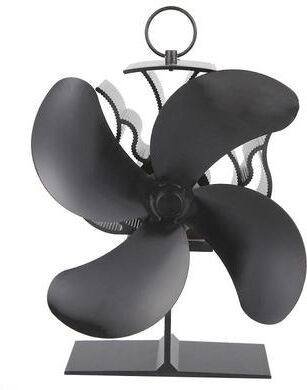
Inspired Deals Heat Powered Stove Fan For Wood Burning Fireplace Thermal Fireplace Fan Energy Saving Silent Heat Circulator Heat Powered Stove Fan For Wood Burning Fireplace Thermal Fireplace Fan Energy Saving Silent Heat CirculatorTransform your fireplace into a more comfortable and efficient heat source with this heat powered stove fan. Designed for wood, coal, and pellet stoves, it automatically circulates warm air throughout the room without batteries or electricity. Its...99,97 $*Shipping: 0,00 $Secure redirect to the provider
-
Rinnai HDC1600i Latent Heat ExchangerRinnai HDC1600i Latent Heat Exchanger (P1600IKBX-KITB1) The latent heat exchanger — also known as the secondary or recuperator heat exchanger — on a Rinnai HDC1600i captures heat from the combustion gases that would otherwise be lost through the flue and puts it back into the water heating process. It's a core part of what makes a condensing appliance like the HDC1600i efficient, recovering energy that a non-condensing design would simply waste. This genuine Rinnai component is made to the original specification, restoring reliable secondary heat recovery and helping the system deliver both efficient operation and consistent hot water output. Where the latent heat exchanger is ageing or has started to underperform, fitting a genuine replacement restores the system to its intended efficiency and helps prevent further issues developing.240,00 £*Shipping: 0,00 £Secure redirect to the provider
-
Rinnai HD55i Replacement Heat ExchangerRinnai HD55i Replacement Heat Exchanger. Specially designed for the Rinnai HD55i model, this replacement part ensures your water heating system operates at its best. Benefits of Regular Maintenance: Enhanced Efficiency: Regular servicing can ensure that your water heater operates at peak efficiency, reducing energy bills. Longer Lifespan: Preventing buildup and replacing worn-out parts can significantly extend the life of your water heater. Safety: Ensuring that your appliance is in top condition minimizes the risk of leaks or malfunctions. Installation & Safety: Always ensure that installation and servicing are carried out by a qualified technician familiar with Rinnai products. Turn off the gas supply and disconnect power before751,49 £*Shipping: 0,00 £Secure redirect to the provider


-
How much heat does a heat radiator produce?
The amount of heat produced by a heat radiator depends on its size, design, and the temperature of the water or steam flowing through it. Generally, a heat radiator can produce enough heat to warm up a room or a specific area within a building. The heat output is measured in British Thermal Units (BTUs) or watts, and can vary depending on the specific model and its intended use. It's important to consider the heat output of a radiator when selecting the right one for a particular space. **
-
Are there ovens that heat using heat pumps?
Yes, there are ovens that use heat pumps to heat food. These ovens are known as heat pump ovens and they work by using a heat pump system to transfer heat from the surrounding air into the oven cavity. This allows them to be more energy efficient compared to traditional ovens, as they do not rely solely on electrical resistance heating. Heat pump ovens are becoming increasingly popular as people look for more sustainable and energy-efficient cooking options. **
-
What is heat transfer in a heat exchanger?
Heat transfer in a heat exchanger is the process of exchanging thermal energy between two fluids at different temperatures. This transfer occurs through conduction, convection, or radiation, depending on the design of the heat exchanger. The goal of heat transfer in a heat exchanger is to efficiently and effectively transfer heat from one fluid to another, either to heat or cool the fluids involved. This process is essential in various industrial and commercial applications, such as HVAC systems, refrigeration, and power generation. **
-
Why is dry heat more tolerable than humid heat?
Dry heat is generally more tolerable than humid heat because our bodies rely on the evaporation of sweat to cool down. In dry heat, sweat evaporates quickly, allowing our bodies to cool efficiently. However, in humid heat, the air is already saturated with moisture, making it harder for sweat to evaporate. This can lead to a feeling of stickiness and discomfort, as our bodies struggle to regulate temperature effectively. **


Can the heat exchanger in heat pumps be heated?
Yes, the heat exchanger in heat pumps can be heated. The heat exchanger is a key component in the heat pump system that transfers heat from one fluid to another. In the heating mode, the heat pump absorbs heat from the outside air, ground, or water and transfers it to the heat exchanger, which then heats the air or water that is circulated through the building. Therefore, the heat exchanger is designed to be heated in order to facilitate the transfer of heat within the heat pump system. **
What is heat?
Heat is a form of energy that is transferred between objects or systems due to a temperature difference. It is the result of the movement of particles within a substance, with higher temperatures indicating faster particle movement. Heat can be transferred through conduction, convection, or radiation, and is a crucial factor in many physical and chemical processes. **
Top-Angebote
Products related to Heat:
-
Titan Richard Castle 2 Book Collection Set(Crashing Heat, Raging Heat)Title in the Set: Crashing Heat Raging Heat Crashing Heat In New York Times bestselling author Richard Castle newest novel, an illegal immigrant falls from the sky and NYPD Homicide detective Nikki Heat investigation into his death quickly captures the imagination of her boyfriend, the Pulitzer Prize - winning journalist Jameson Rook. When he decides to work the case with Heat for his next big story, Nikki is at first happy to have him ride along. Yes, she must endure Rook usual wild conspiracy speculations and adolescent wisecracks, but after their reunion following his recent assignment abroad, she glad for the entertainment, the chance to bounce ideas off him, and the opportunity just to be close to him again and feel the old spark rekindle Raging Heat The tenth Nikki Heat novel, set in the universe of the Castle TV series. New York police captain Nikki Heat is accustomed to dealing with murders, even those with no leads and no motives. However, when a coed is murdered on campus, Heat husband is a suspect, making this case the most personal one yet. Marriage. It is a double-edged sword, or at least it is for Nikki Heat. Her husband, Pulitzer Prize-winning journalist Jameson Rook, infuriates her in a way no one else in her entire life has ever done.12,99 £*Shipping: 2,99 £Secure redirect to the provider
-
Rinnai HDC1600i Heat ExchangerRinnai HDC1600i Heat Exchanger (P1600IKBX-KITB) The heat exchanger is effectively the core of a tankless water heater — its job is to transfer energy from the burner to the water passing through it, delivering hot water on demand without sacrificing efficiency or reliability. On the Rinnai HDC1600i, this is the primary heat exchanger, and its condition directly determines how well the whole system performs. This genuine Rinnai heat exchanger core is made to the original specification, built for reliable heat transfer, corrosion resistance, and long-term durability. Where the existing heat exchanger has worn or is starting to underperform, a genuine replacement restores the appliance's performance, reduces the likelihood of repeat service callouts, and helps the system keep running reliably for years to come. ⚠ Important:598,80 £*Shipping: 0,00 £Secure redirect to the provider
-
Uplift Essentials Heat Resistant Glass Filter Tea Cup Heat Resistant Glass Filter Tea CupExperience the perfect brew with this highquality teadrinking companion designed for both elegance and practicality. Crafted from premium high borosilicate glass, this cup is built to withstand high temperatures while maintaining a sleek, smoky gray...68,97 $*Shipping: 0,00 $Secure redirect to the provider
-
Inspired Deals Heat Powered Stove Fan For Wood Burning Fireplace Thermal Fireplace Fan Energy Saving Silent Heat Circulator Heat Powered Stove Fan For Wood Burning Fireplace Thermal Fireplace Fan Energy Saving Silent Heat CirculatorTransform your fireplace into a more comfortable and efficient heat source with this heat powered stove fan. Designed for wood, coal, and pellet stoves, it automatically circulates warm air throughout the room without batteries or electricity. Its...99,97 $*Shipping: 0,00 $Secure redirect to the provider
-
Which material absorbs heat without storing heat?
A material that absorbs heat without storing it is one that has a high thermal conductivity and low heat capacity. This means that it can quickly absorb heat and transfer it away without retaining much of the heat energy. Examples of such materials include metals like aluminum and copper, as well as certain types of ceramics and carbon-based materials. These materials are often used in applications where rapid heat absorption and dissipation are required, such as in heat sinks for electronic devices or in cooking utensils. **
-
What is heat conduction and heat convection?
Heat conduction is the transfer of heat through a material or between materials that are in direct contact with each other. It occurs through the vibration and collision of atoms and molecules, leading to the transfer of thermal energy. On the other hand, heat convection is the transfer of heat through the movement of fluids, such as air or water. This occurs as warmer, less dense fluid rises and cooler, denser fluid sinks, creating a continuous circulation of heat transfer. Both heat conduction and heat convection are important mechanisms for the transfer of heat in various natural and engineered systems. **
-
How much heat does a heat radiator produce?
The amount of heat produced by a heat radiator depends on its size, design, and the temperature of the water or steam flowing through it. Generally, a heat radiator can produce enough heat to warm up a room or a specific area within a building. The heat output is measured in British Thermal Units (BTUs) or watts, and can vary depending on the specific model and its intended use. It's important to consider the heat output of a radiator when selecting the right one for a particular space. **
-
Are there ovens that heat using heat pumps?
Yes, there are ovens that use heat pumps to heat food. These ovens are known as heat pump ovens and they work by using a heat pump system to transfer heat from the surrounding air into the oven cavity. This allows them to be more energy efficient compared to traditional ovens, as they do not rely solely on electrical resistance heating. Heat pump ovens are becoming increasingly popular as people look for more sustainable and energy-efficient cooking options. **
Similar search terms for Heat
-
Rinnai HDC1600i Latent Heat ExchangerRinnai HDC1600i Latent Heat Exchanger (P1600IKBX-KITB1) The latent heat exchanger — also known as the secondary or recuperator heat exchanger — on a Rinnai HDC1600i captures heat from the combustion gases that would otherwise be lost through the flue and puts it back into the water heating process. It's a core part of what makes a condensing appliance like the HDC1600i efficient, recovering energy that a non-condensing design would simply waste. This genuine Rinnai component is made to the original specification, restoring reliable secondary heat recovery and helping the system deliver both efficient operation and consistent hot water output. Where the latent heat exchanger is ageing or has started to underperform, fitting a genuine replacement restores the system to its intended efficiency and helps prevent further issues developing.240,00 £*Shipping: 0,00 £Secure redirect to the provider
-
Rinnai HD55i Replacement Heat ExchangerRinnai HD55i Replacement Heat Exchanger. Specially designed for the Rinnai HD55i model, this replacement part ensures your water heating system operates at its best. Benefits of Regular Maintenance: Enhanced Efficiency: Regular servicing can ensure that your water heater operates at peak efficiency, reducing energy bills. Longer Lifespan: Preventing buildup and replacing worn-out parts can significantly extend the life of your water heater. Safety: Ensuring that your appliance is in top condition minimizes the risk of leaks or malfunctions. Installation & Safety: Always ensure that installation and servicing are carried out by a qualified technician familiar with Rinnai products. Turn off the gas supply and disconnect power before751,49 £*Shipping: 0,00 £Secure redirect to the provider
-
Barcel Takis Blue Heat 65gTry the super spicy and flavorful Mexican Takis Blue Heat. These rolled corn tortilla chips are covered in a special mix of spices, making them a really hot and tasty snack you'll want to eat again and again. They're bright blue and super crunchy, making them the top pick for people who love spicy snacks. Get a bag and enjoy the bold and hot taste of Takis Blue Heat when you're craving something fiery!2,50 £*Shipping: 3,90 £Secure redirect to the provider
-
What is heat transfer in a heat exchanger?
Heat transfer in a heat exchanger is the process of exchanging thermal energy between two fluids at different temperatures. This transfer occurs through conduction, convection, or radiation, depending on the design of the heat exchanger. The goal of heat transfer in a heat exchanger is to efficiently and effectively transfer heat from one fluid to another, either to heat or cool the fluids involved. This process is essential in various industrial and commercial applications, such as HVAC systems, refrigeration, and power generation. **
-
Why is dry heat more tolerable than humid heat?
Dry heat is generally more tolerable than humid heat because our bodies rely on the evaporation of sweat to cool down. In dry heat, sweat evaporates quickly, allowing our bodies to cool efficiently. However, in humid heat, the air is already saturated with moisture, making it harder for sweat to evaporate. This can lead to a feeling of stickiness and discomfort, as our bodies struggle to regulate temperature effectively. **
-
Can the heat exchanger in heat pumps be heated?
Yes, the heat exchanger in heat pumps can be heated. The heat exchanger is a key component in the heat pump system that transfers heat from one fluid to another. In the heating mode, the heat pump absorbs heat from the outside air, ground, or water and transfers it to the heat exchanger, which then heats the air or water that is circulated through the building. Therefore, the heat exchanger is designed to be heated in order to facilitate the transfer of heat within the heat pump system. **
-
What is heat?
Heat is a form of energy that is transferred between objects or systems due to a temperature difference. It is the result of the movement of particles within a substance, with higher temperatures indicating faster particle movement. Heat can be transferred through conduction, convection, or radiation, and is a crucial factor in many physical and chemical processes. **
* All prices are inclusive of VAT and, if applicable, plus shipping costs. The offer information is based on the details provided by the respective shop and is updated through automated processes. Real-time updates do not occur, so deviations can occur in individual cases. ** Note: Parts of this content were created by AI.