Buy message.uk ?
We are moving the project
message.uk .
Are you interested in purchasing the domain
message.uk ?
domain@kv-gmbh.de · 0541-91531010
Buy message.uk ?
Are halogenoalkanes nonpolar?
Halogenoalkanes are generally considered to be polar molecules. This is because the carbon-halogen bond is polar due to the difference in electronegativity between carbon and the halogen atom. The halogen atom is more electronegative than carbon, causing a partial negative charge on the halogen and a partial positive charge on the carbon. This uneven distribution of charge results in a polar molecule. **
What are halogenoalkanes?
Halogenoalkanes, also known as alkyl halides, are organic compounds that contain one or more halogen atoms (fluorine, chlorine, bromine, or iodine) bonded to an alkane carbon chain. The general formula for halogenoalkanes is R-X, where R represents the alkyl group and X represents the halogen atom. These compounds are widely used in organic synthesis, as solvents, and as intermediates in the production of various chemicals. Halogenoalkanes are classified based on the number of halogen atoms attached to the alkane carbon chain, such as mono-, di-, or polyhalogenoalkanes. **


Similar search terms for Halogenoalkanes
Top-Angebote
Products related to Halogenoalkanes:
-
Garmin Bounce 2 43mm Kids Smart Watch GPS LTE Calling Messaging AMOLED 4GB 5 ATM - TurquoiseThe Garmin Bounce 2 is a feature packed kids smart watch designed to help children stay connected while giving parents useful safety and location features. With LTE connectivity, children can make calls, send text and voice messages and communicate with approved contacts without needing to carry a smartphone. An LTE subscription plan is required for cellular communication and related connected features. Real time GPS location tracking through the Garmin Jr. app allows parents to check their child's whereabouts. The watch also includes LiveTrack location sharing, location boundaries, assistance features and emergency contacts, providing additional peace of mind when children are at school, travelling or enjoying outdoor activities. The bright 1.2 inch AMOLED colour touchscreen provides a clear and vibrant display with a 390 x 390 pixel resolution. The touchscreen interface is designed to make everyday features easy to access, while the built in speaker and microphone support calls and voice messaging. The Bounce 2 includes activity and fitness tracking features such as steps, distance, sleep, running, walking, cycling and swimming. Built in GPS can track supported outdoor activities, while school mode, chores, rewards, games and task timers provide additional child focused features. With 4GB of internal storage, Wi-Fi, Bluetooth and NFC connectivity, the Garmin Bounce 2 offers a wide range of smart features in a compact design. Its 5 ATM water rating and rechargeable battery with up to 2 days of battery life make it suitable for everyday use, school activities and outdoor adventures.203,99 £*Shipping: 0,00 £Secure redirect to the provider
-
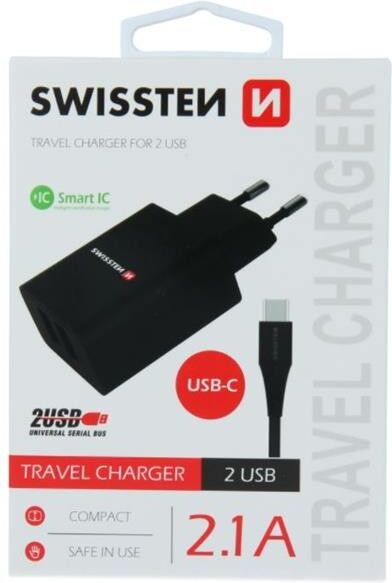
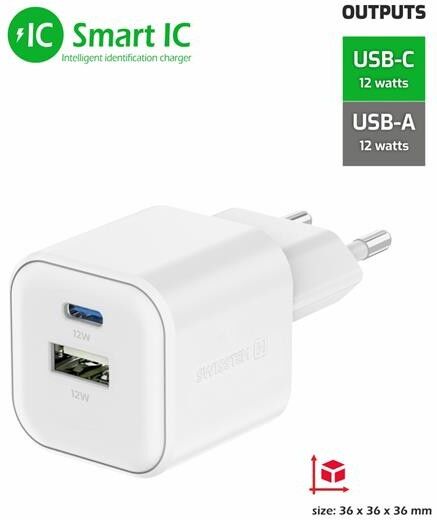
SWISSTEN 22071500 Charger Device, mobile communicationPlug Type: Schuko; Connectors/Plugs: USB, USB type-C; Charge Mode: GaN, PD; Overcharging protection: Yes; Overheating protection: Yes; Short Circuit Protection: Yes; Colour: white; Power [W]: 12; Number of inlets/outlets: 28,29 £*Shipping: 8,45 £Secure redirect to the provider


-
Why are halogenoalkanes gaseous?
Halogenoalkanes are gaseous at room temperature because they have relatively weak intermolecular forces. The halogen atoms in halogenoalkanes are larger and more polarizable than other atoms, which leads to weaker van der Waals forces between molecules. As a result, halogenoalkanes have lower boiling points and are more likely to exist as gases at room temperature compared to other types of organic compounds. **
-
What is the nomenclature of halogenoalkanes?
Halogenoalkanes are named using the IUPAC system, where the halogen atom is treated as a substituent on an alkane chain. The halogen is named as a prefix (fluoro-, chloro-, bromo-, iodo-) followed by the alkane name indicating the number of carbon atoms in the longest chain. The position of the halogen atom is indicated by the number of the carbon atom it is attached to, starting from the end nearest to the halogen. If there are multiple halogen atoms, the positions are indicated by numbers separated by commas. **
-
What is the solubility of halogenoalkanes?
The solubility of halogenoalkanes, also known as alkyl halides, varies depending on the specific compound and the solvent. Generally, halogenoalkanes are not very soluble in water due to their non-polar nature and the strong dipole-dipole interactions between the halogen and the alkyl group. However, they are more soluble in organic solvents such as dichloromethane, chloroform, and ether due to their similar non-polar nature. The solubility of halogenoalkanes can also be influenced by the size and structure of the alkyl group and the type of halogen present in the molecule. **
-
Why was the use of halogenoalkanes heavily restricted?
The use of halogenoalkanes was heavily restricted due to their harmful effects on the environment and human health. Halogenoalkanes are known to be persistent organic pollutants that can bioaccumulate in the food chain, leading to long-term environmental damage. Additionally, some halogenoalkanes have been linked to ozone depletion and global warming. Therefore, restrictions were put in place to minimize their release into the environment and protect both ecosystems and human health. **

How are halogenoalkanes broken down in the atmosphere?
Halogenoalkanes are broken down in the atmosphere through a process called photolysis, which is the breaking down of molecules by sunlight. When halogenoalkanes are exposed to sunlight, the carbon-halogen bond is broken, releasing a halogen atom. This free halogen atom can then react with ozone in the atmosphere, leading to the depletion of the ozone layer. This process contributes to environmental issues such as ozone depletion and global warming. **
How can the proof of halogenoalkanes be provided?
The proof of halogenoalkanes can be provided through various chemical tests and reactions. One common test is the silver nitrate test, where halogenoalkanes react with silver nitrate to form a precipitate of silver halide. The color of the precipitate can help identify the specific halogen present in the halogenoalkane. Another test is the sodium hydroxide test, where halogenoalkanes react with sodium hydroxide to form a precipitate of the corresponding halide ion. Additionally, halogenoalkanes can undergo nucleophilic substitution reactions, where the halogen is replaced by a nucleophile, providing further evidence of their presence. **
Top-Angebote
Products related to Halogenoalkanes:
-
Various Publishers How to Talk to Anyone, Next Conversation & Psychology of Management - 3 Book Paperback Set - Communication, Leadership & Management PsychologyThis 3-book collection set brings together three practical, people-focused reads for anyone who wants to communicate better and lead more effectively. Leil Lowndes' classic 'How to Talk to Anyone' pairs with Jefferson Fisher's 'Next Conversation' and a foundational 'Psychology of Management' title to cover everyday conversation, conflict resolution, and workplace psychology in one bundle. Whether you are prepping for interviews, managing a team, or simply want to feel more confident in social situations, this paperback set offers accessible, actionable guidance you can start using immediately. The set includes 'How to Talk to Anyone' by Leil Lowndes, 'Next Conversation' by Jefferson Fisher, and 'Psychology of Management'.20,99 £*Shipping: 2,99 £Secure redirect to the provider
-
Chit Chat Make Up Artist for Beginners 1 un.An eyeshadow. Designed for budding beauty enthusiasts, this all-in-one kit comes with everything needed to explore the art of makeup in a fun, hands-on way. Inspires creativity with an A5 drawing pad for makeup design. Comprehensive set of makeup shades and tools for endless looks. Reusable case for organized, on-the-go artistry.13,28 £*Shipping: 7,11 £Secure redirect to the provider
-
Garmin Bounce 2 43mm Kids Smart Watch GPS LTE Calling Messaging AMOLED 4GB 5 ATM - TurquoiseThe Garmin Bounce 2 is a feature packed kids smart watch designed to help children stay connected while giving parents useful safety and location features. With LTE connectivity, children can make calls, send text and voice messages and communicate with approved contacts without needing to carry a smartphone. An LTE subscription plan is required for cellular communication and related connected features. Real time GPS location tracking through the Garmin Jr. app allows parents to check their child's whereabouts. The watch also includes LiveTrack location sharing, location boundaries, assistance features and emergency contacts, providing additional peace of mind when children are at school, travelling or enjoying outdoor activities. The bright 1.2 inch AMOLED colour touchscreen provides a clear and vibrant display with a 390 x 390 pixel resolution. The touchscreen interface is designed to make everyday features easy to access, while the built in speaker and microphone support calls and voice messaging. The Bounce 2 includes activity and fitness tracking features such as steps, distance, sleep, running, walking, cycling and swimming. Built in GPS can track supported outdoor activities, while school mode, chores, rewards, games and task timers provide additional child focused features. With 4GB of internal storage, Wi-Fi, Bluetooth and NFC connectivity, the Garmin Bounce 2 offers a wide range of smart features in a compact design. Its 5 ATM water rating and rechargeable battery with up to 2 days of battery life make it suitable for everyday use, school activities and outdoor adventures.203,99 £*Shipping: 0,00 £Secure redirect to the provider
-
Are halogenoalkanes nonpolar?
Halogenoalkanes are generally considered to be polar molecules. This is because the carbon-halogen bond is polar due to the difference in electronegativity between carbon and the halogen atom. The halogen atom is more electronegative than carbon, causing a partial negative charge on the halogen and a partial positive charge on the carbon. This uneven distribution of charge results in a polar molecule. **
-
What are halogenoalkanes?
Halogenoalkanes, also known as alkyl halides, are organic compounds that contain one or more halogen atoms (fluorine, chlorine, bromine, or iodine) bonded to an alkane carbon chain. The general formula for halogenoalkanes is R-X, where R represents the alkyl group and X represents the halogen atom. These compounds are widely used in organic synthesis, as solvents, and as intermediates in the production of various chemicals. Halogenoalkanes are classified based on the number of halogen atoms attached to the alkane carbon chain, such as mono-, di-, or polyhalogenoalkanes. **
-
Why are halogenoalkanes gaseous?
Halogenoalkanes are gaseous at room temperature because they have relatively weak intermolecular forces. The halogen atoms in halogenoalkanes are larger and more polarizable than other atoms, which leads to weaker van der Waals forces between molecules. As a result, halogenoalkanes have lower boiling points and are more likely to exist as gases at room temperature compared to other types of organic compounds. **
-
What is the nomenclature of halogenoalkanes?
Halogenoalkanes are named using the IUPAC system, where the halogen atom is treated as a substituent on an alkane chain. The halogen is named as a prefix (fluoro-, chloro-, bromo-, iodo-) followed by the alkane name indicating the number of carbon atoms in the longest chain. The position of the halogen atom is indicated by the number of the carbon atom it is attached to, starting from the end nearest to the halogen. If there are multiple halogen atoms, the positions are indicated by numbers separated by commas. **
Similar search terms for Halogenoalkanes
-
SWISSTEN 22071500 Charger Device, mobile communicationPlug Type: Schuko; Connectors/Plugs: USB, USB type-C; Charge Mode: GaN, PD; Overcharging protection: Yes; Overheating protection: Yes; Short Circuit Protection: Yes; Colour: white; Power [W]: 12; Number of inlets/outlets: 28,29 £*Shipping: 8,45 £Secure redirect to the provider
-
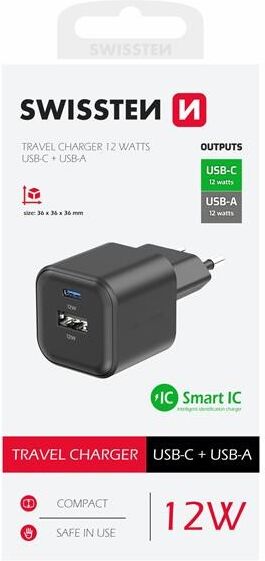
SWISSTEN 22071510 Charger Device, mobile communicationPlug Type: Schuko; Connectors/Plugs: USB type-C, USB; Charge Mode: GaN, PD; Overcharging protection: Yes; Overheating protection: Yes; Short Circuit Protection: Yes; Colour: black; Number of inlets/outlets: 2; Power [W]: 128,29 £*Shipping: 8,45 £Secure redirect to the provider
-
What is the solubility of halogenoalkanes?
The solubility of halogenoalkanes, also known as alkyl halides, varies depending on the specific compound and the solvent. Generally, halogenoalkanes are not very soluble in water due to their non-polar nature and the strong dipole-dipole interactions between the halogen and the alkyl group. However, they are more soluble in organic solvents such as dichloromethane, chloroform, and ether due to their similar non-polar nature. The solubility of halogenoalkanes can also be influenced by the size and structure of the alkyl group and the type of halogen present in the molecule. **
-
Why was the use of halogenoalkanes heavily restricted?
The use of halogenoalkanes was heavily restricted due to their harmful effects on the environment and human health. Halogenoalkanes are known to be persistent organic pollutants that can bioaccumulate in the food chain, leading to long-term environmental damage. Additionally, some halogenoalkanes have been linked to ozone depletion and global warming. Therefore, restrictions were put in place to minimize their release into the environment and protect both ecosystems and human health. **
-
How are halogenoalkanes broken down in the atmosphere?
Halogenoalkanes are broken down in the atmosphere through a process called photolysis, which is the breaking down of molecules by sunlight. When halogenoalkanes are exposed to sunlight, the carbon-halogen bond is broken, releasing a halogen atom. This free halogen atom can then react with ozone in the atmosphere, leading to the depletion of the ozone layer. This process contributes to environmental issues such as ozone depletion and global warming. **
-
How can the proof of halogenoalkanes be provided?
The proof of halogenoalkanes can be provided through various chemical tests and reactions. One common test is the silver nitrate test, where halogenoalkanes react with silver nitrate to form a precipitate of silver halide. The color of the precipitate can help identify the specific halogen present in the halogenoalkane. Another test is the sodium hydroxide test, where halogenoalkanes react with sodium hydroxide to form a precipitate of the corresponding halide ion. Additionally, halogenoalkanes can undergo nucleophilic substitution reactions, where the halogen is replaced by a nucleophile, providing further evidence of their presence. **
* All prices are inclusive of VAT and, if applicable, plus shipping costs. The offer information is based on the details provided by the respective shop and is updated through automated processes. Real-time updates do not occur, so deviations can occur in individual cases. ** Note: Parts of this content were created by AI.